
No two patients arrive at a safety-net clinic the same way. But when drug companies like Amgen restrict 340B, appointing themselves judge and jury over a program designed to protect the most vulnerable, the consequences follow a pattern that is both predictable and heartbreaking. These are their stories.

For two years, Jennifer managed her diabetes from her kitchen table outside Presidio. Telemedicine visits with her care team, insulin and metformin delivered to her door at no cost — all made possible by her FQHC’s 340B contract pharmacy network. Her A1C dropped from 11.2 to 6.8. Then her insulin manufacturer restricted 340B pricing to in-house dispensing only, cutting off the clinic’s contract pharmacy partners and ending home delivery entirely. The clinic had no on-site pharmacy and no realistic path to building one. Now Jennifer drives 47 miles each way, takes a full unpaid day off work, and pays $180 a month out of pocket for insulin she used to receive for free — so she stretches her doses to make vials last. Her last A1C came back at 9.1.

Mateo was uninsured when he tested positive. His Ryan White-funded clinic used 340B savings to offer antiretrovirals at no cost and wrap-around services: transportation vouchers, a social worker, and mental health visits. Within a year his viral load was undetectable. When his ARV manufacturer capped 340B discounts at one contract pharmacy per site, the clinic had to drop two of its three community pharmacy partners — the ones in the neighborhoods where most patients actually lived. Mateo’s adherence slipped when the pickup location became inaccessible by bus.
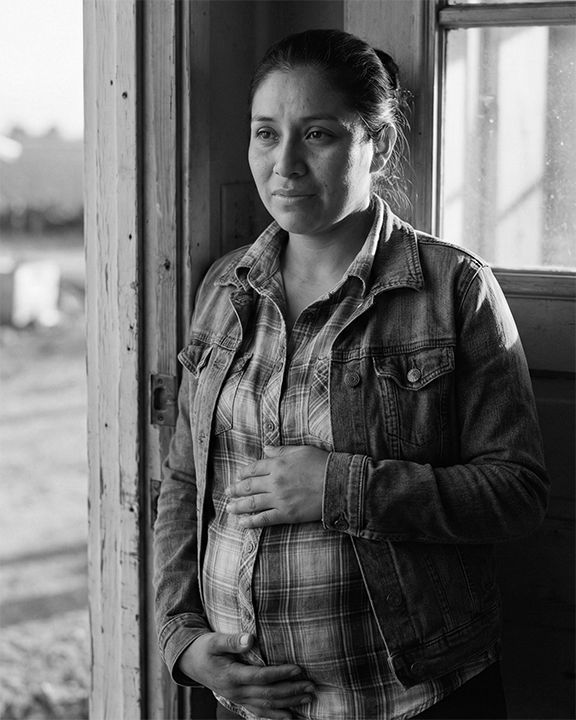
Rosa picked stone fruit six days a week with no prenatal coverage. The clinic felt like a second home — staff knew her name, a promotora spoke her dialect, the doctor stayed long after appointments ended. 340B savings funded a rotating OB, prenatal medications, and wrap-around care she trusted completely. She delivered a healthy baby at full term. The next season, she barely recognized the place. Prior authorization requirements from her medication’s manufacturer overwhelmed the small staff. The promotora was cut, the familiar OB replaced by strangers. Rosa still goes because she has no choice, but she no longer shares everything. For a woman whose prenatal care depends on honest communication, that broken trust is itself a clinical risk.
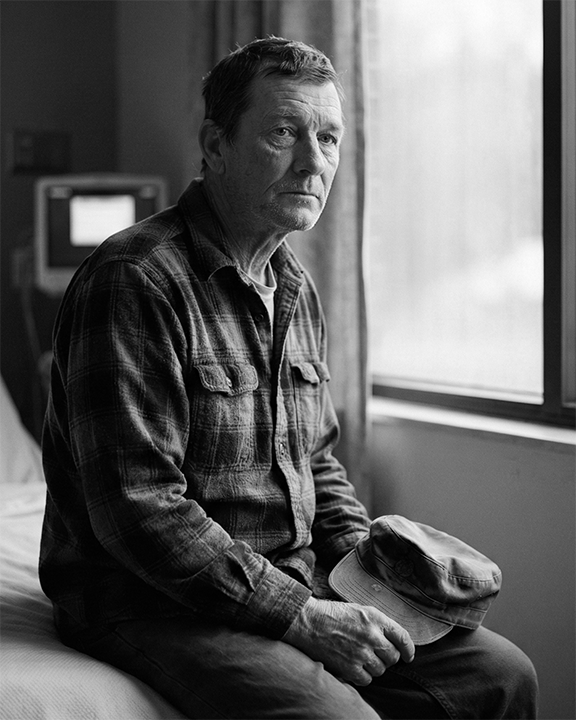
The small critical access hospital in James’s county had survived on razor-thin margins for years. 340B revenue from its outpatient pharmacy subsidized the cardiac clinic that would otherwise not exist. James received his ACE inhibitors, diuretics, and quarterly monitoring at essentially no cost. After his manufacturer moved to restrict 340B to hospitals with a specific patient-to-site dispensing ratio the hospital couldn’t meet, the cardiac clinic cut its hours by half. James’s next quarterly check became a six-month wait.
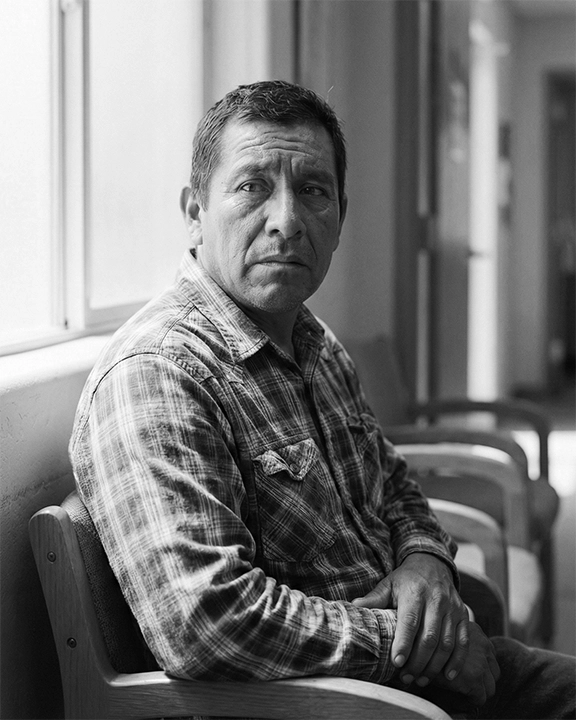
The small critical access hospital in James’s county had survived on razor-thin margins for years. 340B revenue from its outpatient pharmacy subsidized the cardiac clinic that would otherwise not exist. James received his ACE inhibitors, diuretics, and quarterly monitoring at essentially no cost. After his manufacturer moved to restrict 340B to hospitals with a specific patient-to-site dispensing ratio the hospital couldn’t meet, the cardiac clinic cut its hours by half. James’s next quarterly check became a six-month wait.
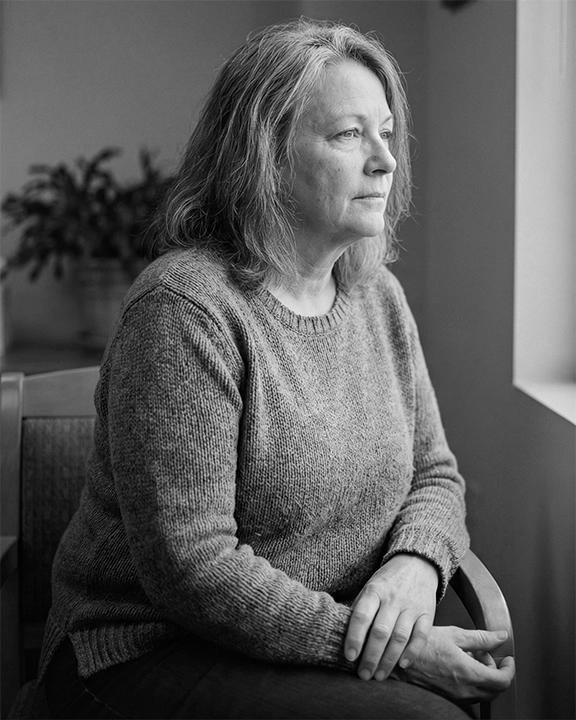
Susan’s community mental health center was one of a handful of 340B-eligible behavioral health entities in the region. 340B savings funded her long-acting injectable antipsychotic and the peer support specialist who helped her stay housed. Stable for three years, she was volunteering at a food pantry. The manufacturer of her injectable moved it to a restricted distribution model that excluded non-hospital pharmacies. The clinic spent four months navigating the new channel. During that gap Susan experienced a relapse, lost her apartment, and had to restart stabilization from the beginning.