
340B.
Three numbers and one letter.
What does it mean?
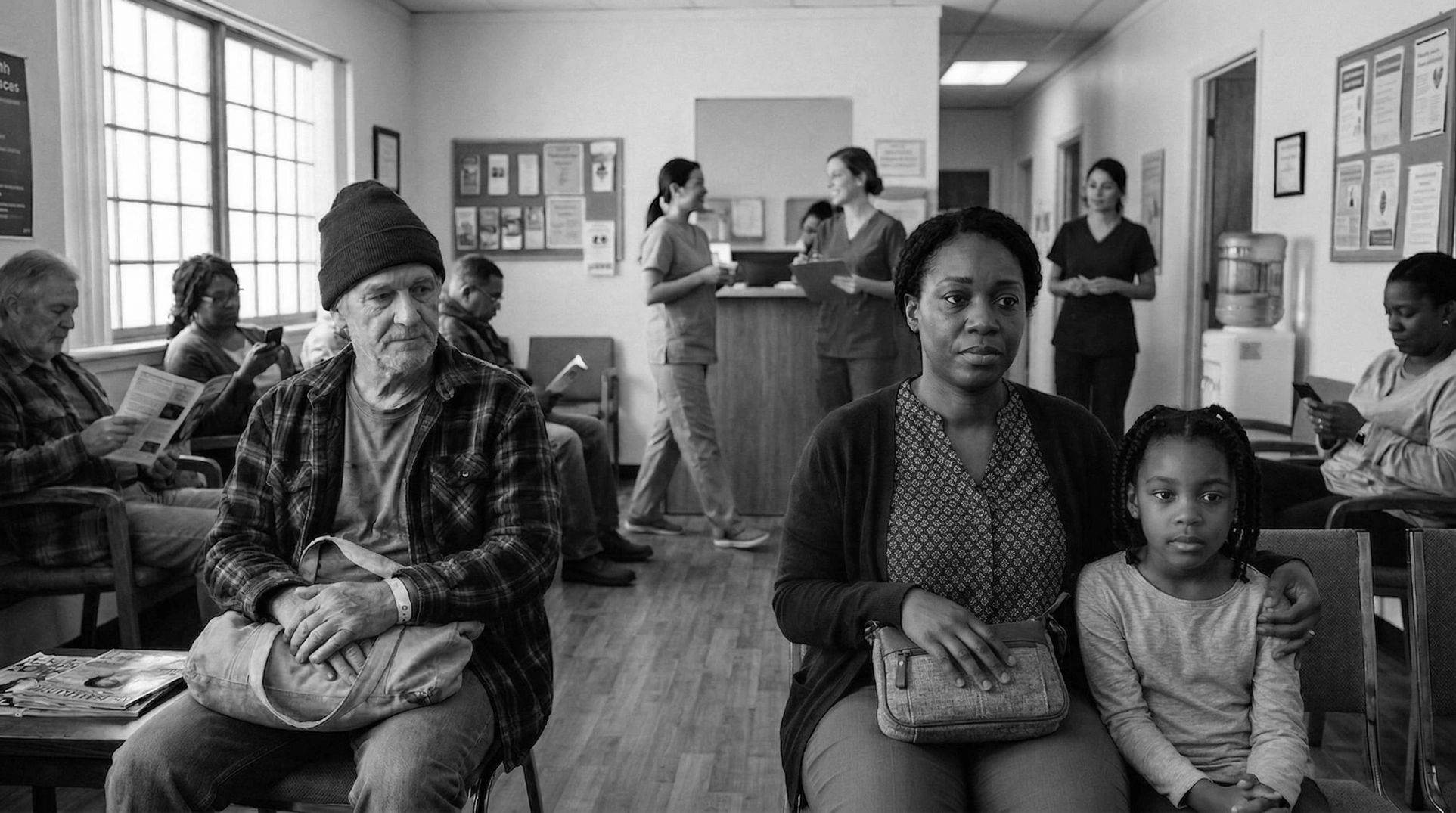
For most Americans, it’s an unknown part of the federal health care bureaucracy. It only shows up for the people it helps every day.
Here are some illustrative examples:

A mom, who is a part-time worker with no insurance, needs help paying for insulin and glucose monitoring supplies. She’s among the roughly 12% of working-age adults (18-64) who have no health care coverage. Right now, a federally qualified health center (FQHC) uses 340B discounts to provide insulin at a fraction of the retail cost (sometimes $10-20 instead of over $300). This allows her to afford consistent treatment and avoids emergency hospital visits.
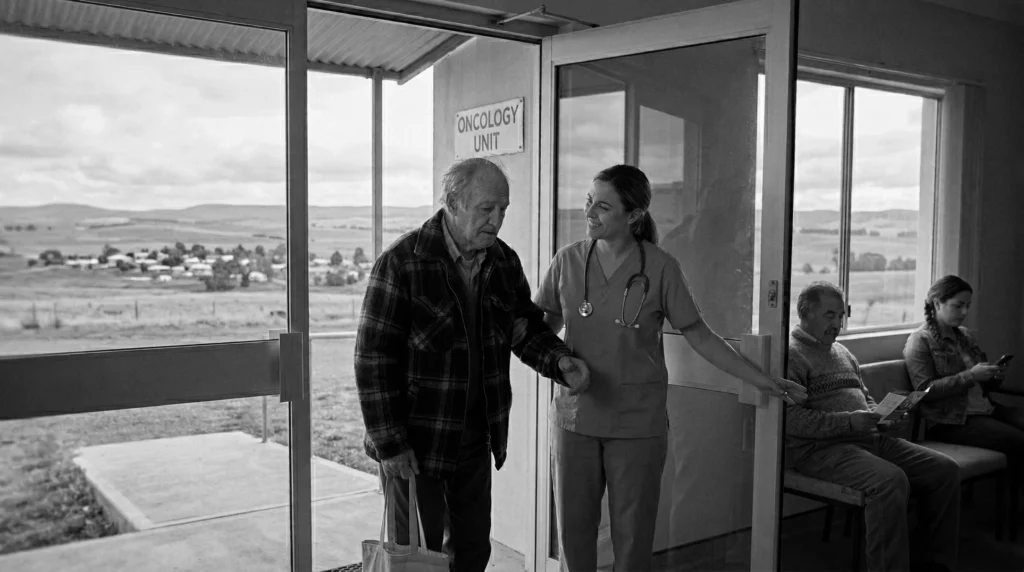
A cancer patient, living in a rural state, needs ongoing chemotherapy. His small hospital uses 340B savings to keep its oncology unit open and offer discounted cancer drugs. This means he can receive treatment close to home instead of traveling hours away, improving his survival chances and reducing costs.

A young child with asthma, living in a low-income urban neighborhood, suffers from frequent asthma attacks due to inconsistent access to inhalers. A community clinic uses 340B savings to operate a free pediatric asthma program, providing inhalers and education. This means her ER visits drop dramatically and she can attend school regularly.
How Covered Entities Make a Difference
As you can tell, the savings the 340B Drug Pricing Program creates make a real difference in the lives of patients. It enables what are called “covered entities” to stretch scarce federal resources as far as possible, reaching more eligible patients and providing more comprehensive services.
In simple terms, here’s how it works:
- The covered entity purchases the drug at a steep discount (340B price)
- They dispense/administer the drug to a patient
- They bill the payer (Medicaid, Medicare, or commercial insurance) using standard billing rates (not the 340B price)
The difference between reimbursement and acquisition cost equals the margin (savings) for the covered entity. That margin is what supports safety-net services.
The covered entities include health centers and what are called “look-alikes,” as well as Ryan White clinics and State AIDS Drug Assistance programs, Medicare/Medicaid Disproportionate Share Hospitals, children’s hospitals and other safety net providers.
To participate in the 340B Program, eligible organizations/covered entities must register and be enrolled with the 340B program and comply with all 340B Program requirements. Once enrolled, covered entities are assigned a 340B identification number that vendors verify before allowing an organization to purchase 340B discounted drugs.
The program facilitated more than $80 billion in drug purchases in 2024, according to federal data, making it a major component of the nation’s health care landscape. Sagebrush Health Services in Nevada is proud to be a covered entity.
What Happens When the Drug Discount Disappears?
The system depends on manufacturers honoring the price ceilings they agreed to. The discount is not arbitrary. Federal law sets a ceiling price based on a statutory formula. Manufacturers who participate in the program agree to honor that formula. In return, they gain access to the massive Medicaid market.
Sagebrush alleges that Amgen charged prices that bore no relation to the statutory ceiling price formula. Sagebrush says this resulted in less money for patient care and more money flowing to a company that had already agreed to play by the rules.
Furthermore, Amgen also reversed previously extended discounts, clawing back millions of dollars in savings and charging Sagebrush the full price of the drugs.
Next Steps
Sagebrush filed suit against Amgen to challenge this conduct. The case raises a question that affects every 340B covered entity in the country: can covered entities hold drug manufacturers accountable when they ignore pricing obligations?
Recent legal developments suggest the answer is “yes.” We will cover those developments in upcoming posts.